




















Emerging strong from COVID-19 and confronting the decarbonisation agenda are the two prongs of the Alexander Dennis (ADL) business strategy in 2021.
That was the message from the company’s recent update, which took place on 19 July. The manufacturer made clear its ambition to ramp up production of zero-emission vehicles and meet the challenges of the changing industry, while also supporting British jobs and manufacturing and reinvesting in its own facilities.
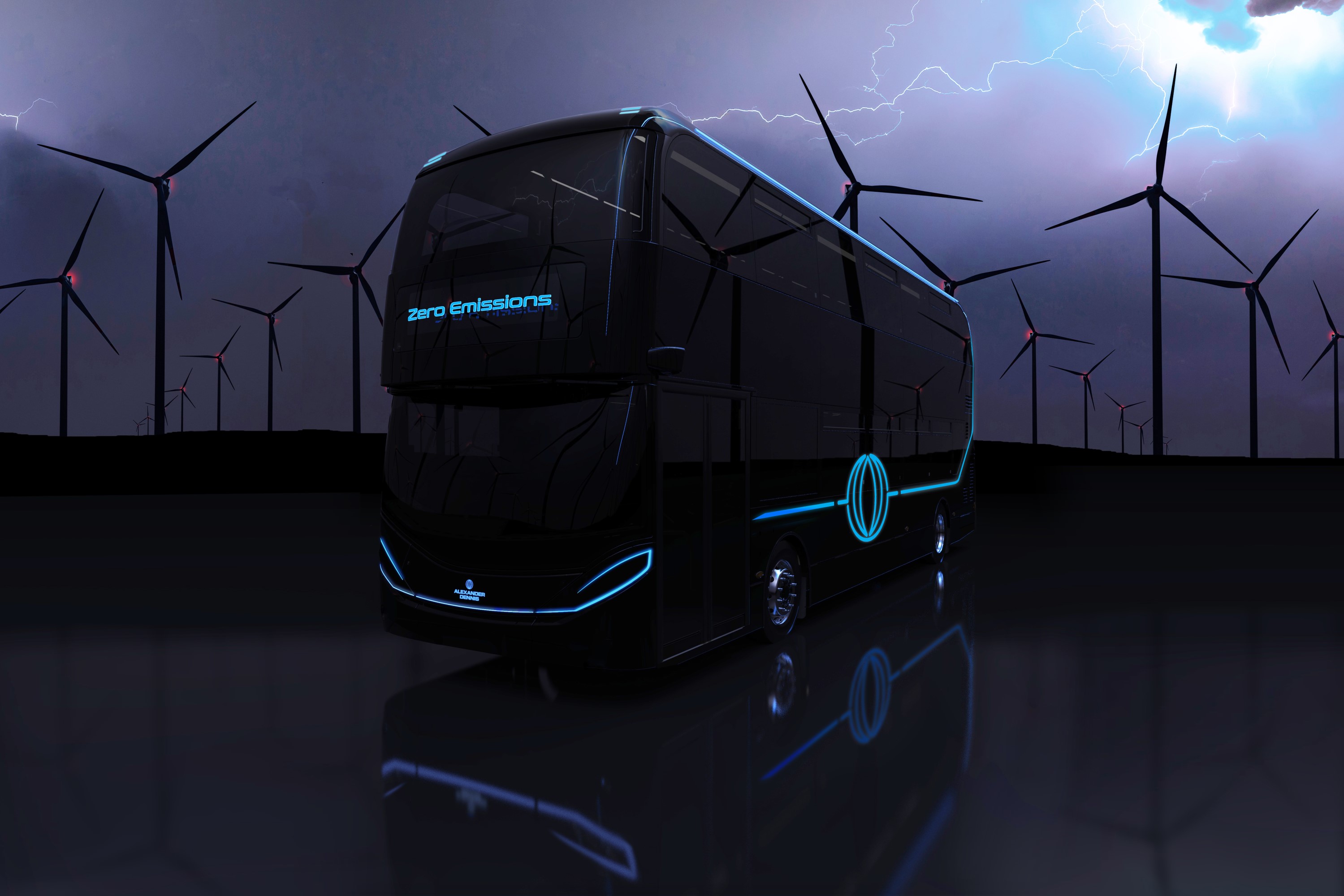
Alexander Dennis: New technologies
In terms of where the manufacturer sees the landscape of new technologies, President and Managing Director Paul Davies says he believes there is “no doubt” that battery-electric is now seen as an equivalent to diesel by operators for the majority of operations.
A key milestone for the business was the recent delivery of the 500th BYD ADL bus, to Go-Ahead in London. An agreement to transfer chassis manufacturing from BYD’s facilities in China to the UK (with Larbert suggested as a likely location) initially targeted for this year has been delayed. That is down to an unanticipated growth in orders for the BYD ADL product, initially estimated at 200 battery-electric buses this year. That has grown to between 500-600 buses and delivering on those contractual commitments is taking priority.
While ADL has plans to introduce more capacity and range to the battery-electric offering, the answer is more nuanced. There “is a specific roadmap and a pathway” to increase capacity and extend range in the vehicles through to 2025, but Paul finds interesting the conservative estimates on range currently being exceeded in real-world driving – to the extent that he sees the range of the current offering as adequate for most requirements. That means that maximising capacity and range will not be a “one size fits all” policy – there will potentially be base vehicles supplemented by extended range models, which offer comfort to manage longer range routes.
Plaxton, meanwhile, continues its conversations with chassis manufacturers to look for a zero-emission coach solution.

Development continues on the second-generation double-deck hydrogen fuel-cell electric H2.0 product, aided by parent NFI and North American funding streams. A Ballard fuel cell will be used, while a conscious decision has been made to move away from axle hub motors towards the Voith Electrical Drive System, driven largely by the fact the product is a double-deck offering: “We believe that, given the hydrogen range requirements and some of the driveability requirements, [Voith] is the right driveline choice that will also underpin our larger bus solutions.” ADL plans to have the H2.0 model uncovered in early 2022. Tendering has already begun in certain jurisdictions. Passenger capacity is yet to be confirmed. Possibility for a single-deck variant remains, but double-deck remains the launch point in terms of capacity and range.
There has been international interest, Paul reveals, but adds that the market for the hydrogen offering will likely be centred on areas with infrastructure and supply chains already in place. “There are specific areas where there will be a place for hydrogen in the market. We’re not nailing our colours to any one technology mast. We continue to offer Scania compressed natural gas, body on Volvo for Lothian, and the BYD relationship for battery-electric. It’s going to be horses for courses, and it always has been – we’re not telling our customers what we think they need, it will be specific areas where it will be a good fit.”
While diesel-electric hybrid buses remain a part of the manufacturer’s portfolio, it is understood that hybrid vehicles will not qualify for funding under the Zero Emission Bus Regional Areas (ZEBRA) scheme. This, combined with the confidence in batteryelectric buses as a replacement for diesel, means Paul is uncertain about the future uptake of hybrid vehicles. “The fact that there is no ZEBRA funding available means I would be surprised if there is a massive market,” he suggests.
Built in Britain
It would be difficult to discuss the introduction of ADL’s developments on battery-electric and hydrogen fuel cell-electric products without referring to the government’s Ten Point Plan for a Green Industrial Revolution and the suggested “British built” policy regarding targets for 4,000 zero-emission buses by 2025.
Conversations between ADL, politicians and stakeholders have already begun to determine what this policy means and why it matters. There are manufacturers in the UK currently able to deliver on that suggested requirement and “there is no shame in asking for funding for the decarbonisation agenda to be reinvested domestically,” Paul believes.
From ADL’s standpoint, the UK is the bedrock of its business and without a strong UK market it cannot innovate on an international scale. “We believe there’s a huge opportunity to do the right thing here and not just support the manufacturing jobs that we have. There have been various different estimates about the impact it will have on the wider supply chain across the UK.”
An estimate for that job market would be 1,700-1,800 within the ADL UK business alone, with thousands more in the wider supply chain.
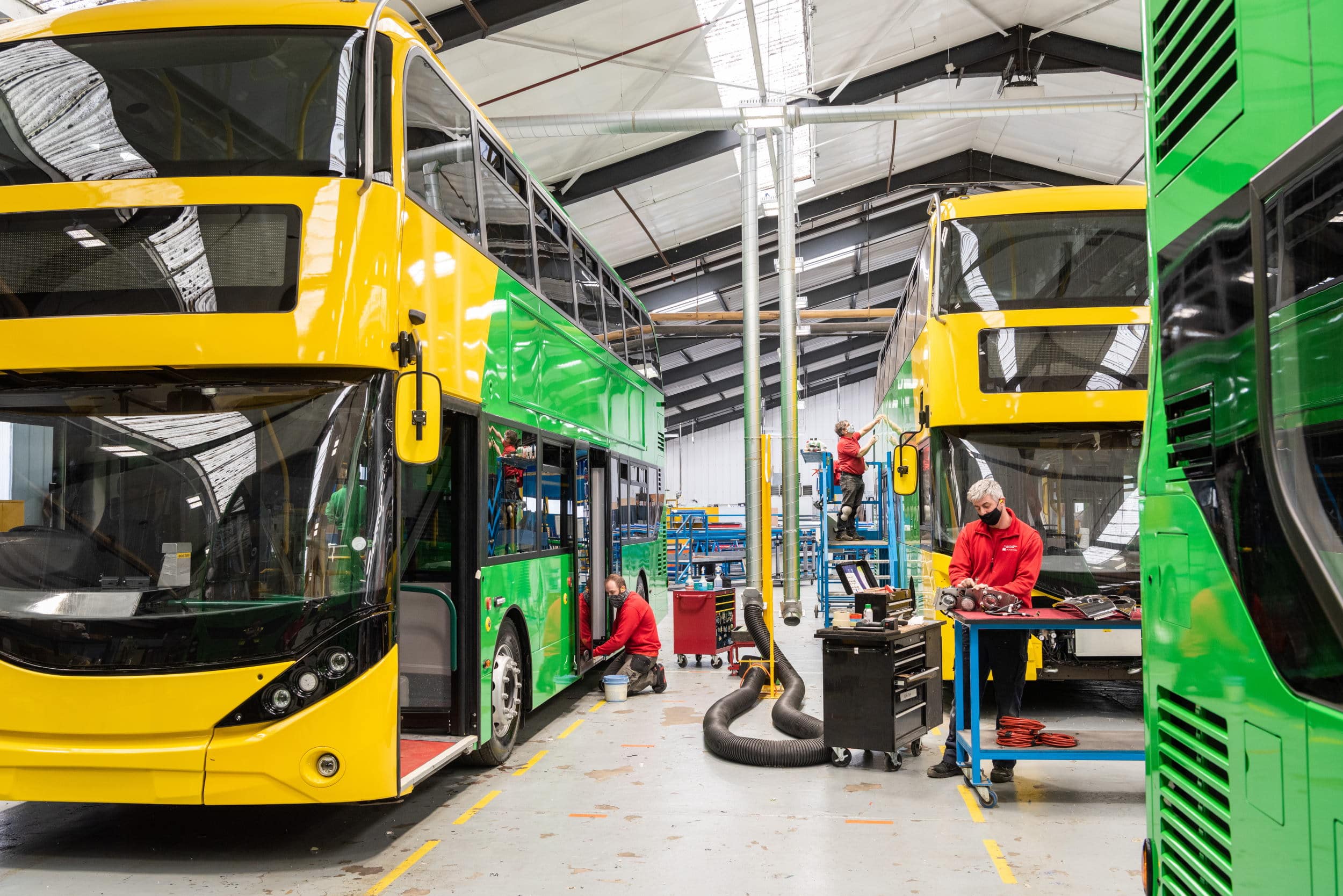
Further support for British jobs includes temporary repurposing of the manufacturer’s Scarborough facilities to build 198 Enviro500 double-deck buses for Berliner Verkehrsbetriebe. Building the buses in Scarborough is both an investment on ADL’s part but also doing the “right thing” according to Paul. “Pre-pandemic you could argue that the UK market was relatively under-invested leading up to the pandemic, so for us it’s absolutely imperative that we are able to rebuild and recover people, team members and underlying capacity so that when the UK market does recover we will be able to serve it.”
That will come accompanied by a wider “modernisation plan” for most of the manufacturer’s facilities.

A new centre in Farnborough
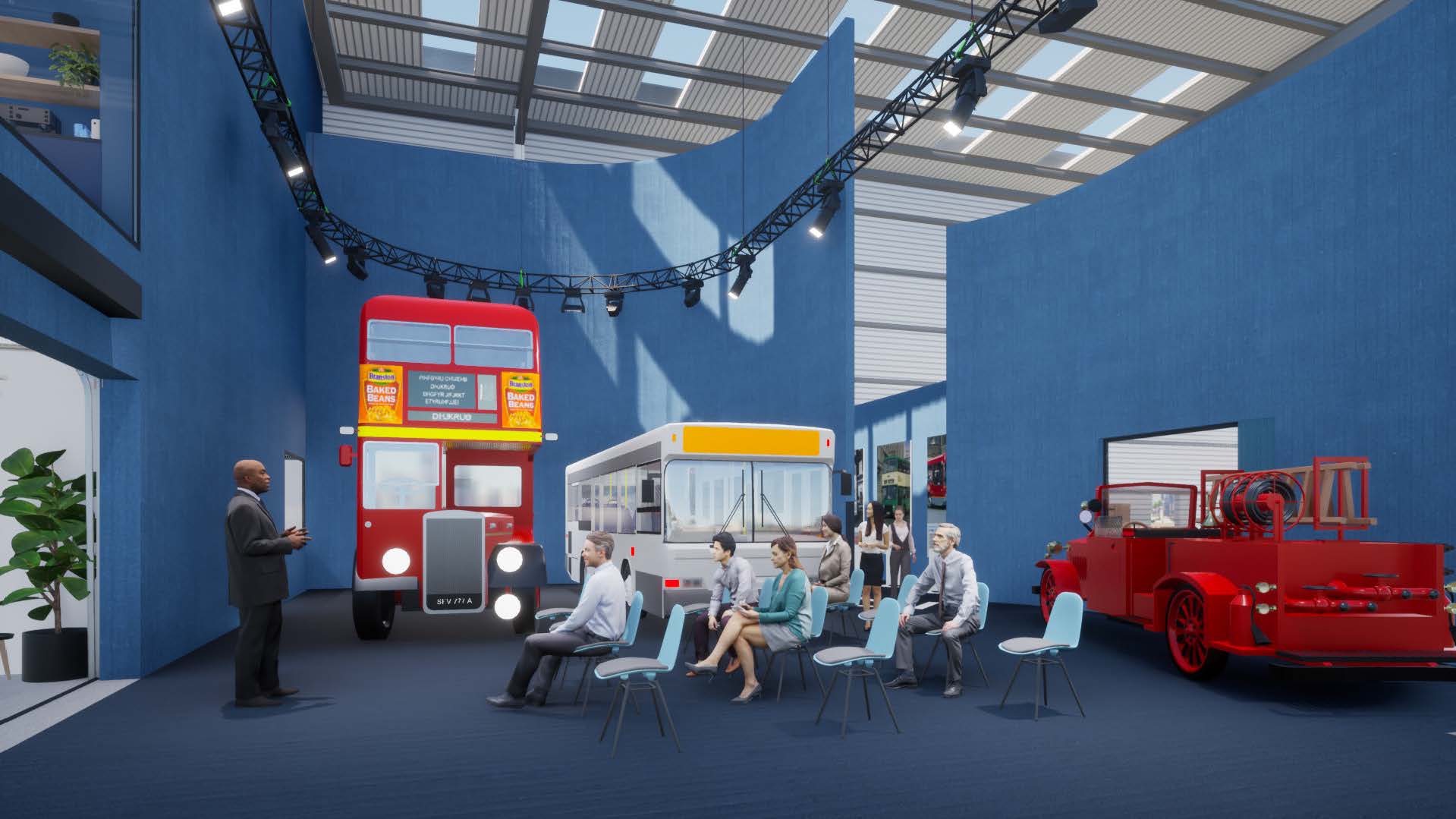
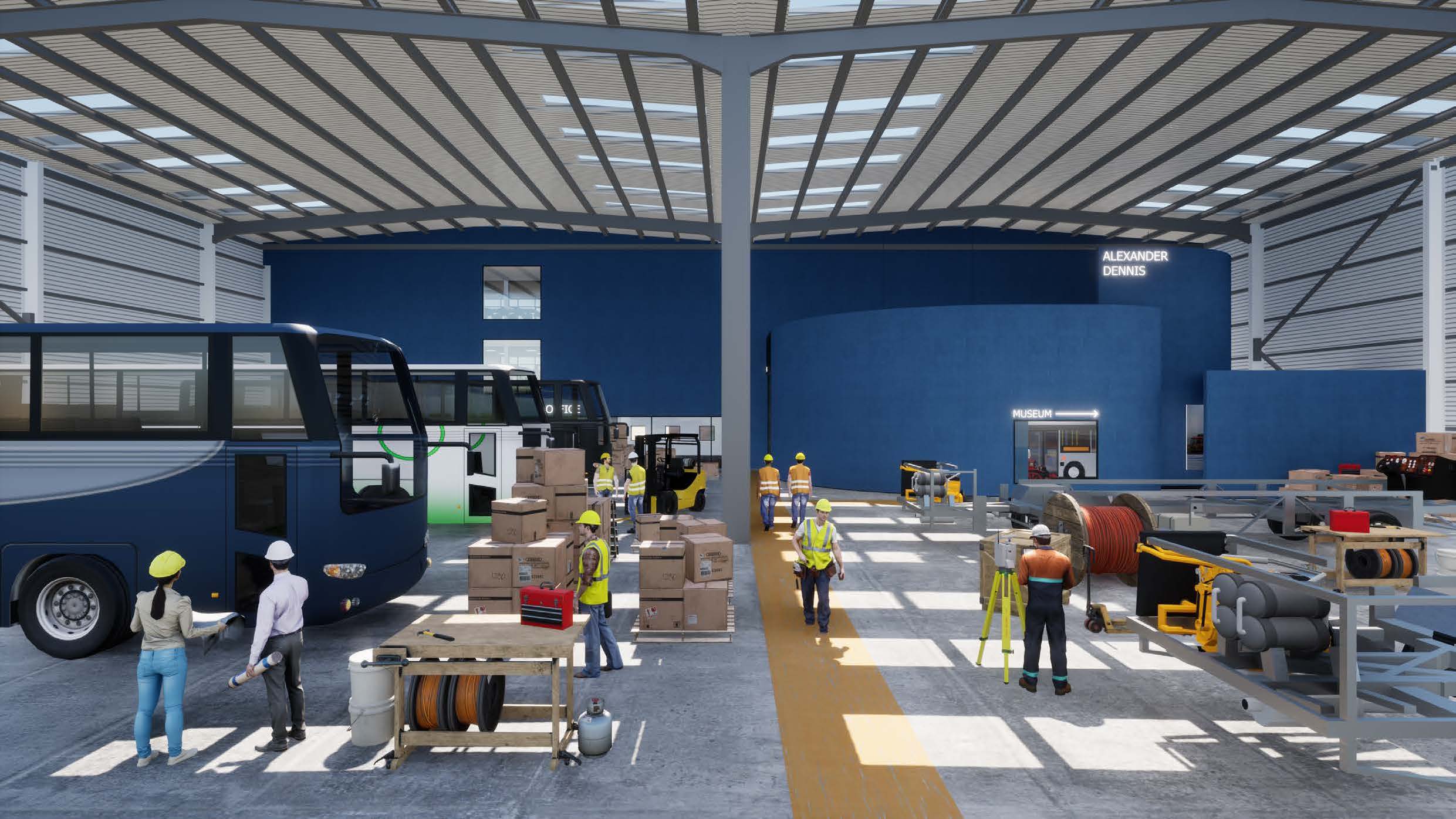
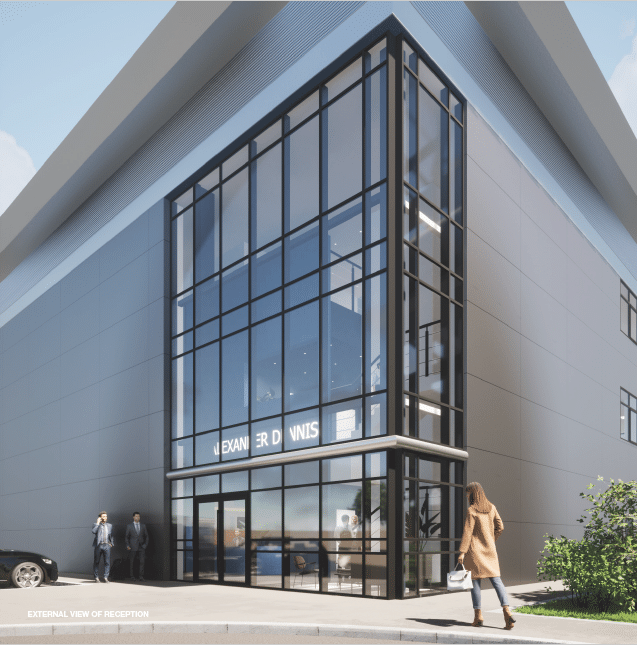
Ambitious plans in Scotland for a BYD transition and the expansion of the Skelmersdale distribution centre in England to support the company’s hydrogen agenda are joined by a new aftermarket, chassis engineering and testing/development centre in Farnborough, called Trident House.
Referencing the closure of the Guildford plant, Paul explains that team members and functions that remain at Slyfield are being relocated across to the new site in Farnborough and will be accompanied by a reinvigoration of the Dennis brand.
A museum will also be on site. Work is starting in August with an aim for the site to be occupied later in 2021 or early 2022. That sends out a positive message to the entire ADL workforce, according to Paul – and it will play a critical part in the business’ future growth.